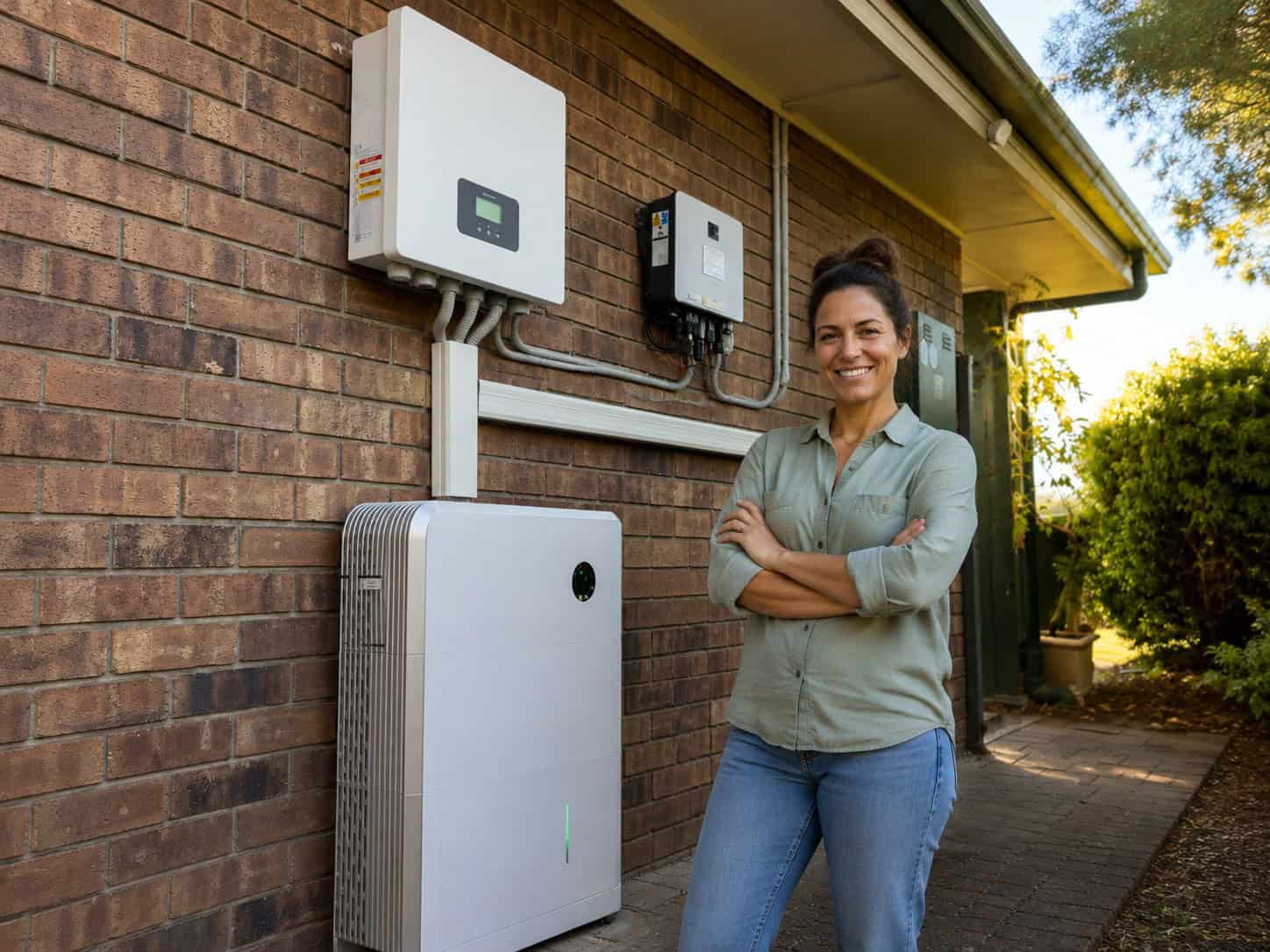
The Illawarra has embraced rooftop solar. As an example, in the Kiama area, around 45% of homes have solar, with the average system sitting at around 6.6kW.
That’s a great starting point – but for many Illawarra households, it may not be enough for the way we’ll be using electricity in the years ahead.
When many of our local solar systems were installed, the goal was fairly simple: generate electricity during the day, use what you could and send the surplus back to the grid – when feed-in tariffs made exporting solar particularly attractive.
Things have changed.
An EV can add substantially to a household’s electricity consumption. With many EV batteries holding around 70–80kWh, regularly charging an EV can significantly increase the amount of energy a household needs.
A 6.6kW solar system typically generates around 25kWh of electricity, but actual generation varies with the season, weather, roof orientation and shading. Once your home’s normal electricity use is taken into account, there may not be much solar left over to charge an EV and fill a battery – particularly during winter or on cloudy days.
That’s why it may be worth thinking about your solar system as part of your future energy needs, rather than simply looking at what your household uses today.
If your existing system is below 6.6kW, expanding your solar could be worth considering – particularly if you’re planning to install batteries or make the switch to an EV in the next two or three years.
There’s also a timing consideration. Federal Government incentives for both solar and batteries reduce over time. The battery discount is currently around 30% for eligible systems, but the support steps down again from January 2027. Solar incentives also reduce as the Small-scale Renewable Energy Scheme moves towards its scheduled end in 2030.
That means if you’re considering expanding your solar, installing a battery or preparing for an EV, it makes sense to understand your options and make a decision sooner rather than later.
Installations need to be completed and certified within the relevant rebate periods to receive the applicable incentives. In the case of solar & batteries, the deadline is before Christmas 2026 and installation capacity is filling fast.
More solar means more energy available during the day to run your home, charge your EV and fill your battery – giving you more energy to use in the evening, when you need it most.
Of course, bigger isn’t automatically better. The right system depends on your household’s electricity use, existing size system and future plans.
If you’re thinking about expanding your solar power system, adding a home battery or buying an EV?
Get in touch if you’d like an assessment. We’ll review your existing system, electricity bills and future plans, and help you work out whether expanding your solar and adding batteries will be worthwhile.