While lithium batteries are more durable, they don’t last forever. However, with the right maintenance, they can perform optimally for much longer. Below are 5 ways to extend the life of your solar battery storage system.
1. Maintain the right battery temperature
Battery temperature plays a major role in long-term performance. Too much heat can accelerate battery degradation, while extreme cold can reduce efficiency and capacity.
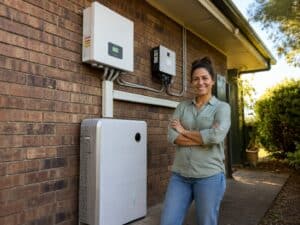
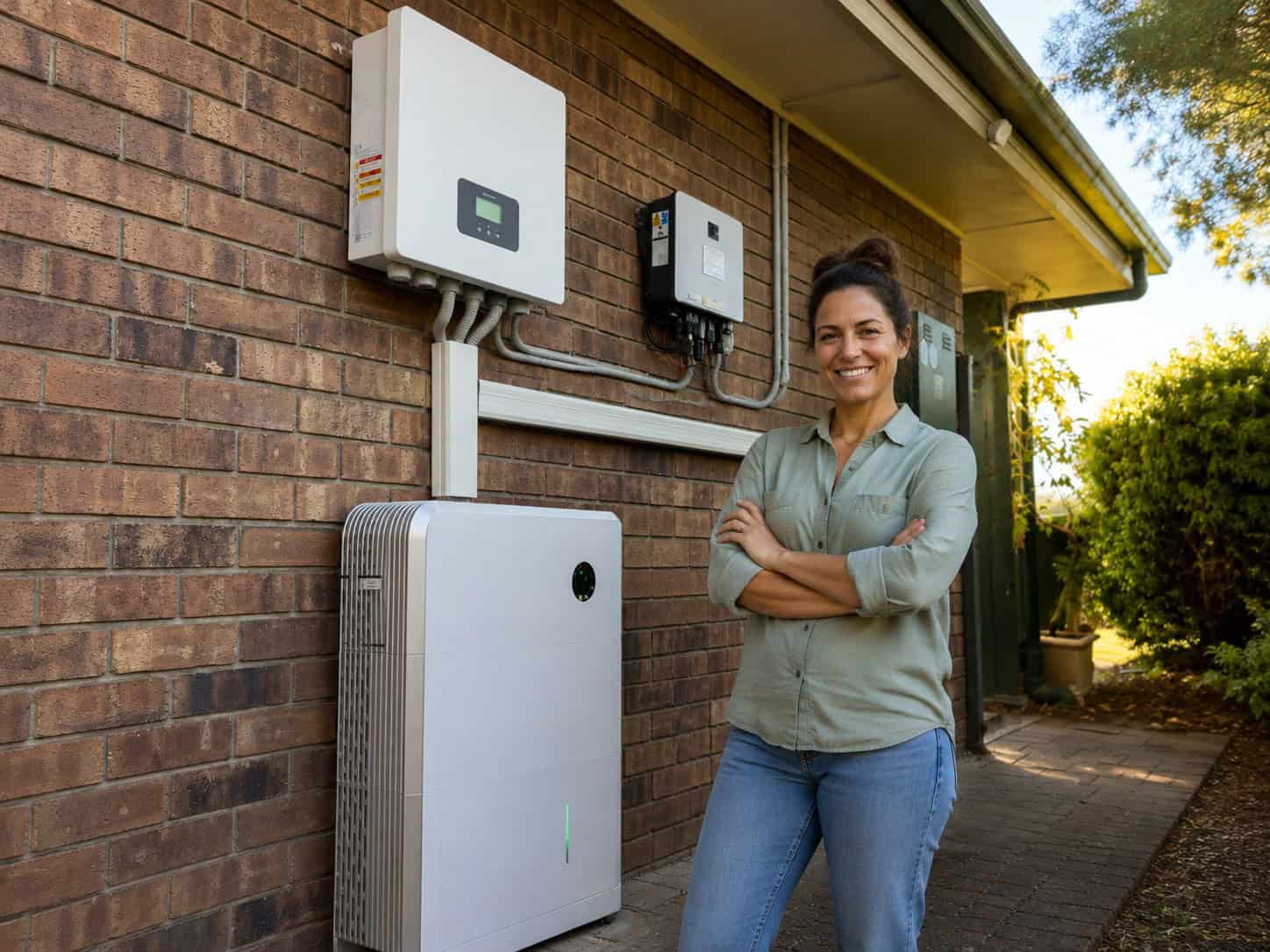
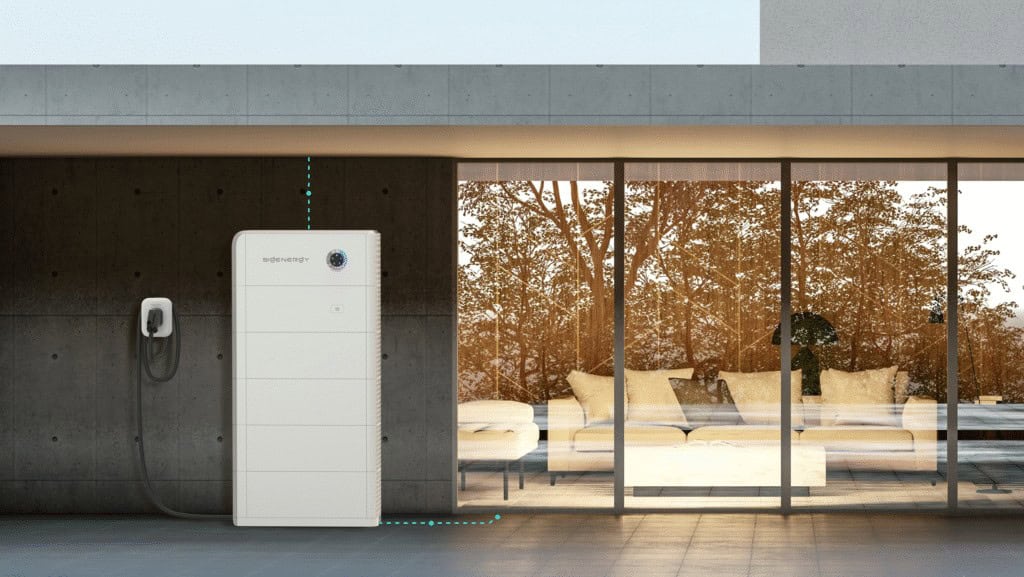
When installing a home battery storage system, it’s best to avoid areas exposed to direct sunlight for long periods, such as unshaded external walls. If you live in a cooler region, don’t install batteries in areas that become very cold or are exposed to moisture.
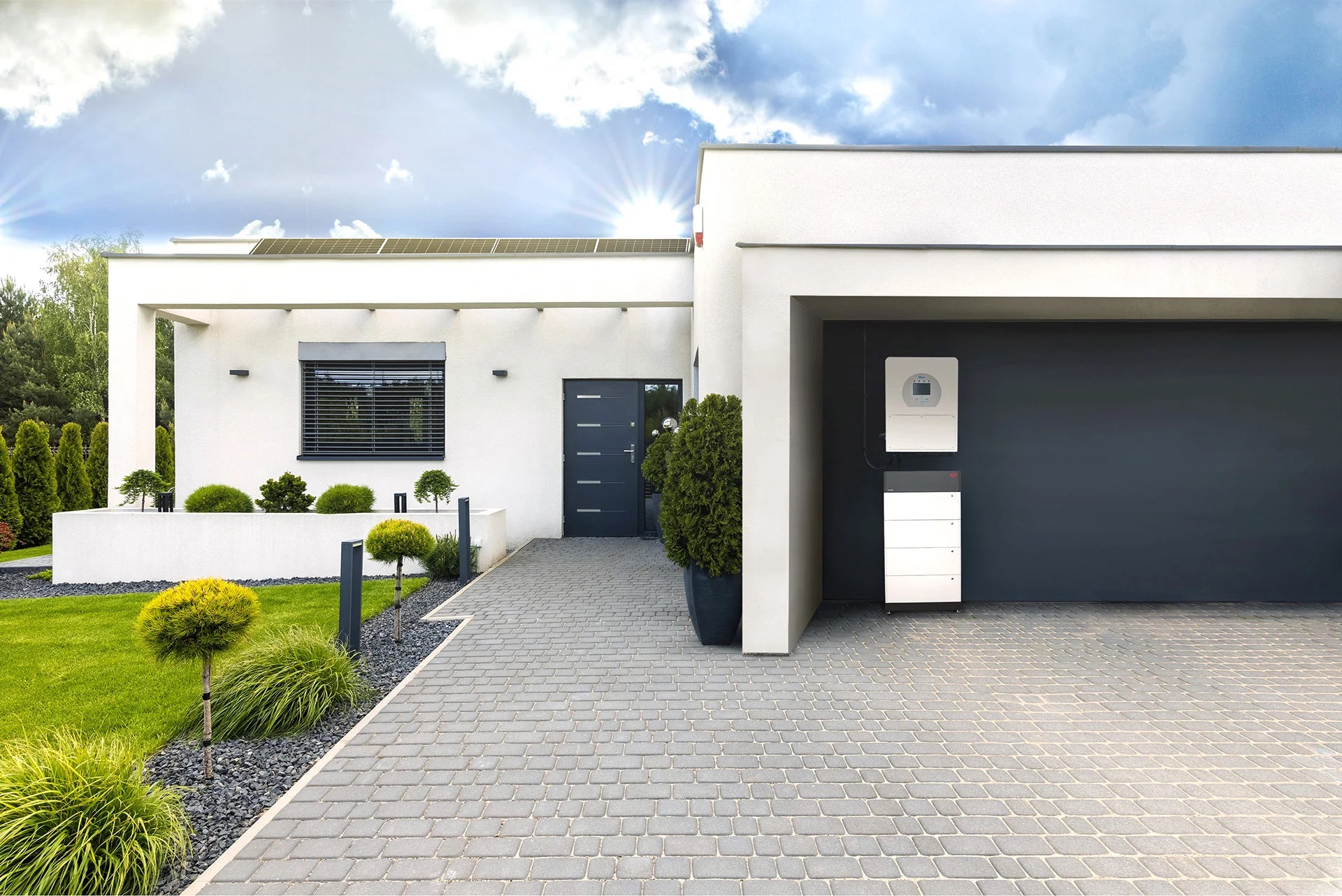
A shaded garage, utility room or protected outdoor area is often an ideal spot. Our technical sales team or installers can advise on the best location, based on your home layout and climate conditions.
2. Follow the depth of discharge recommendation
Depth of discharge (DoD) refers to how much of a battery’s total capacity is used before it’s recharged. For example, when a battery is fully charged, the DoD is 0%. If the battery is fully depleted, the DoD is 100%.
Each battery manufacturer specifies a recommended maximum DoD to maintain long-term battery health. Suppose your battery system has a recommended DoD of 80%, it is best not to regularly discharge it beyond that level. The more frequently you exceed the recommended DoD, the faster the battery will degrade.
Some battery systems can be configured to operate within the manufacturer’s recommended DoD limits at the time of installation and some batteries can be fully discharged to 100%.
3. Use smart monitoring tools
Many battery systems come with monitoring apps that allow you to track energy usage, battery charge levels and overall system performance on your smartphone. Using these tools can help you spot unusual patterns early, such as excessive cycling or unexpected drops in performance.
System monitoring can also give you a better understanding of how your household energy habits impact the battery, so you can make small adjustments to reduce strain on the system.
4. Understand your warranty coverage
Most solar battery systems come with long warranties (usually 10 years), often covering both performance and product defects. However, these warranties usually require the system to be registered within a certain timeframe after installation.
Our admin team will register your battery for you, but it’s important that you understand what’s covered if an issue arises years down the track. Some warranties include minimum capacity guarantees, while others are linked to usage patterns or installation conditions. This
Knowing the terms of your warranty also helps you operate the system in line with manufacturer guidelines, reducing the risk of accidental exclusions and ensuring you get the full benefit of your investment over its intended lifespan.
5. Schedule semi-regular check-ups
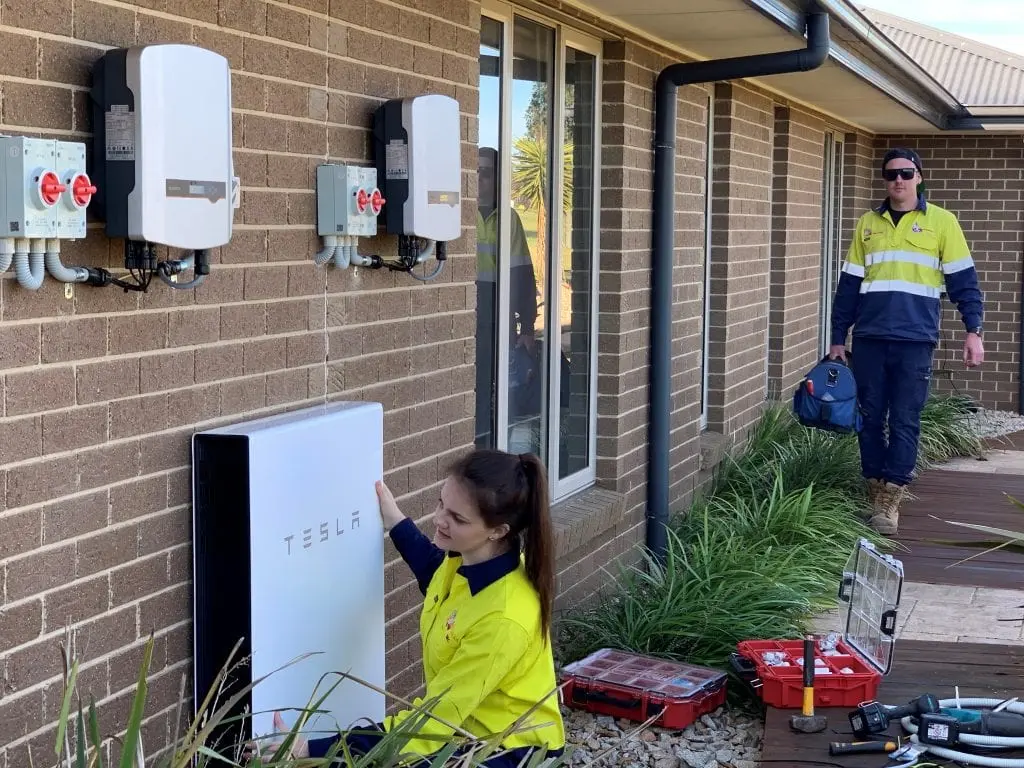
While solar batteries are fairly low-maintenance, periodic inspections are beneficial. One of our qualified solar technicians can check the connections, review system data and confirm the battery is still in good health. We generally recommend you get this done every 5 years.
At the same time, the technician can inspect your solar panels and inverter to ensure the entire system is running efficiently. A well-balanced solar system reduces strain on the battery, ensuring a longer service life.
Why buying a good quality battery system matters
Not all batteries are built to the same standard. Lower-cost batteries may use less durable components, offer shorter warranties and degrade faster over time. While the upfront price may be lower, replacing a battery sooner than expected can ultimately mean spending more than you would have if you’d invested in a more premium brand in the first place.
High-quality battery systems are better able to withstand regular cycling, have more robust safety protections against overheating and deliver consistent performance over a longer period.