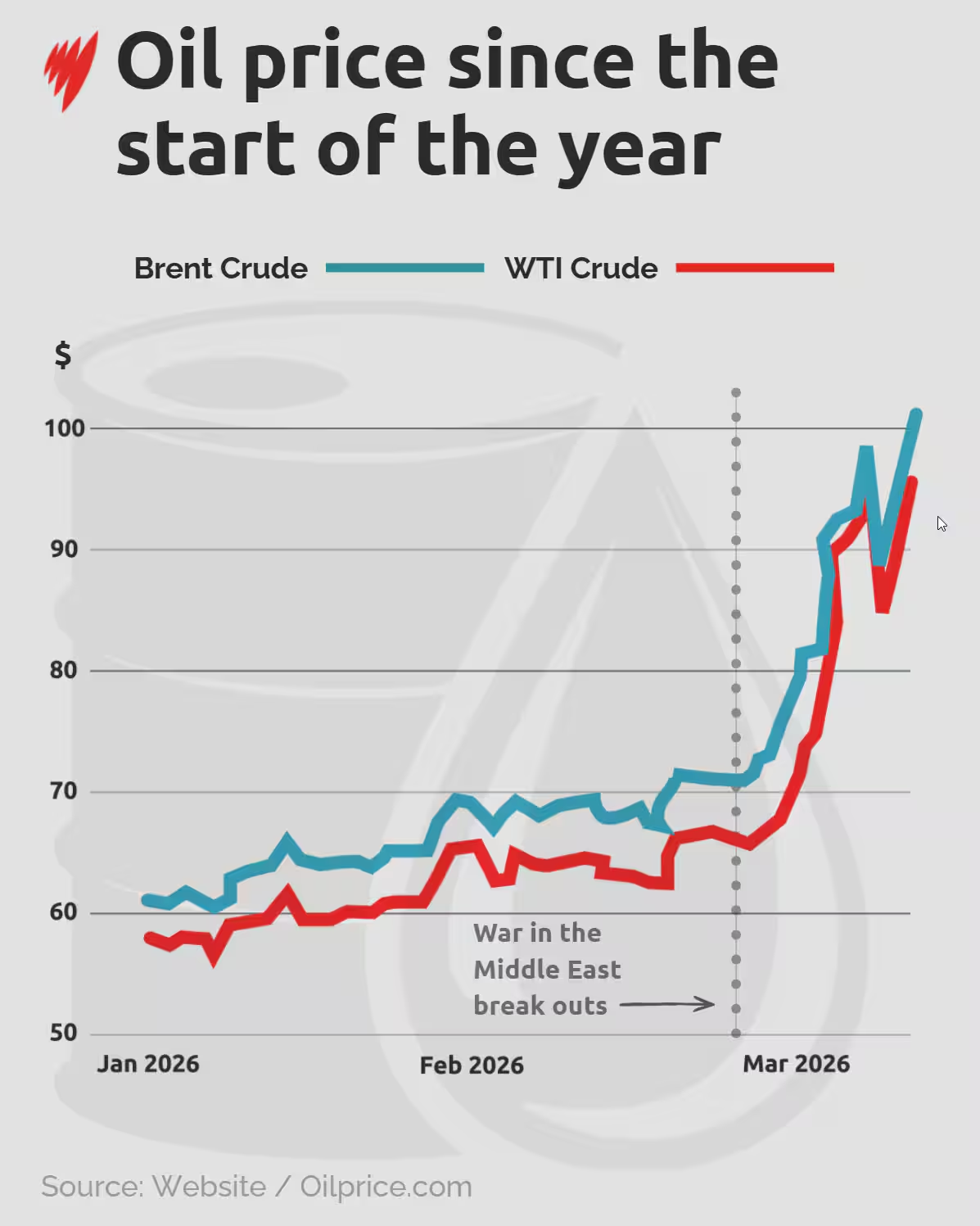
As of the end of March 2026, Brent crude had surged to around US$118 a barrel and was on track for a record monthly jump, driven by conflict-related supply concerns in the Middle East.
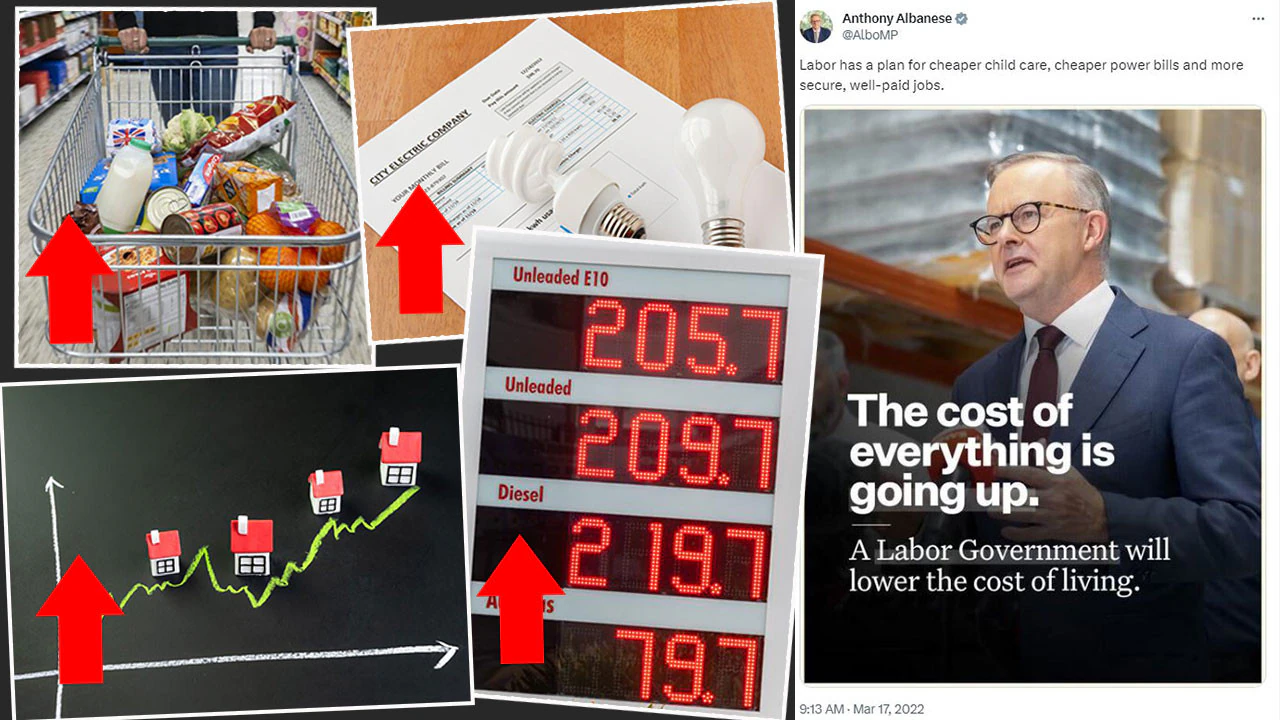
For homes and businesses in Australia, oil prices matter even though your home doesn’t run directly on oil. This is because rising oil prices push up transport, logistics and operating costs across the entire economy. Over time, those pressures typically feed into inflation and broader energy market costs, particularly if global energy markets remain under strain.
Electricity prices are already rising
At the same time, electricity in Australia is becoming more expensive. The Australian Energy Regulator’s 2025–26 Default Market Offer says residential electricity prices in NSW are set to rise yet again – this time by 8.5% to 9.1% for customers without Controlled Load (a dedicated load to heat the water in a home), while small business customers will see increases of 7.9% to 8.5%.
All this is leading to more households and businesses considering a simple question: how can we reduce our costs and become less exposed to global fuel markets?
How solar helps you take back control
One answer is to electrify more of what you use and power it predominantly with solar and battery storage. Instead of relying on imported fuel and rising retail electricity costs, you can generate more of your own energy on-site.
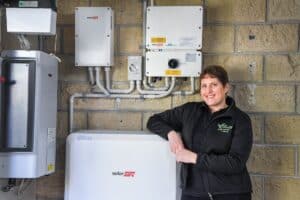
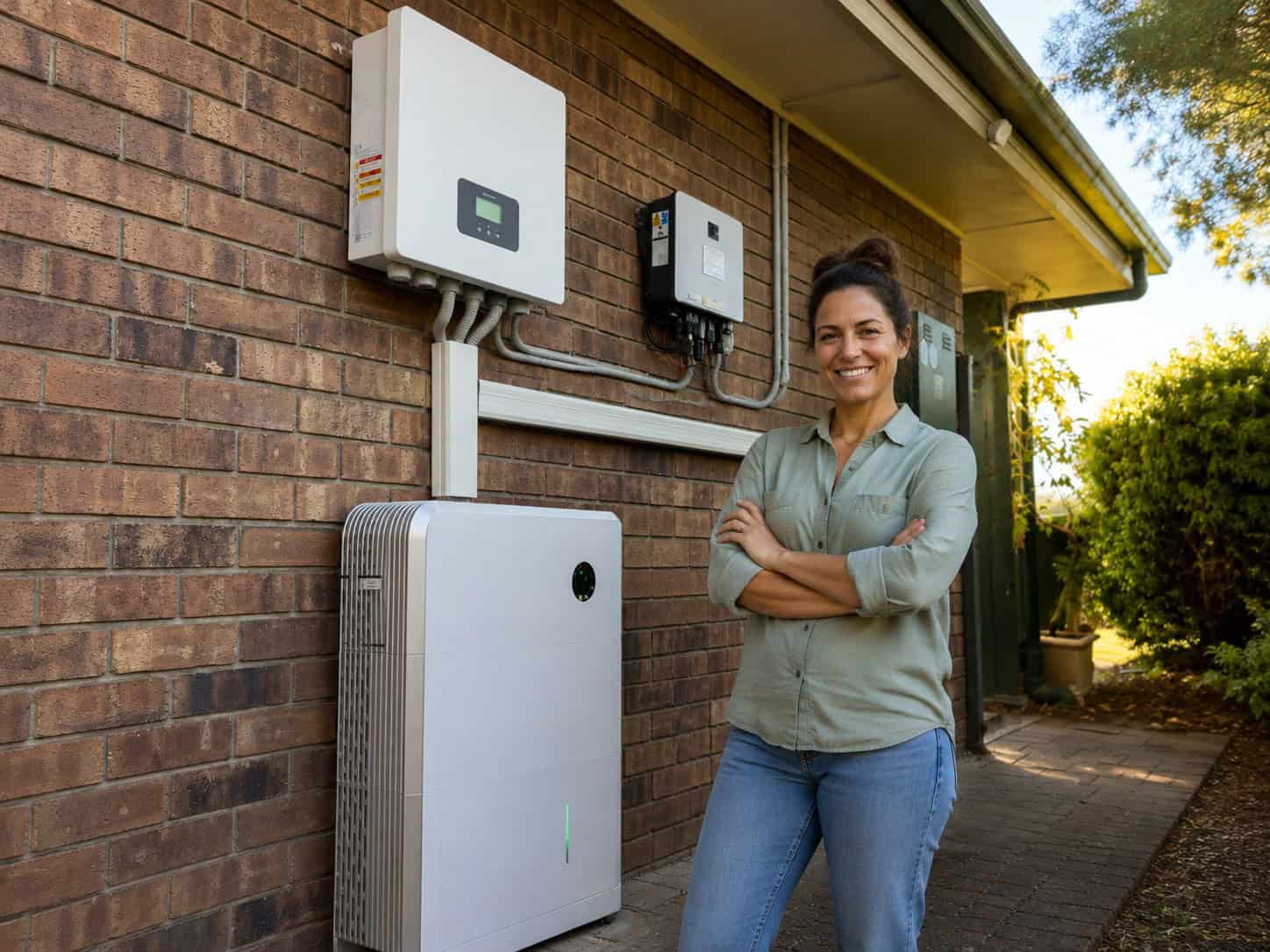
Solar helps reduce the amount of electricity you buy from the grid during the day. Add a battery and you can store solar energy for the evening peak. For example, according to the NSW government, a home battery can help households save from $600 to more than $2,500 per year in energy costs and incentive earnings, depending on the system and how it’s used.
This also feeds into the bigger opportunity of electrifying everything. That can mean replacing gas appliances with electric options over time, which can save households between $500 and $1,900 every year, according to the Climate Council, while also reducing exposure to future energy price swings.
Electrifying your car can also help
Every time you fill up, you’re paying for Australia’s oil dependency directly. Climate Council research has found that electric vehicle (EV) drivers save around $1,400 a year in fuel and maintenance compared to petrol car owners; and are far less exposed to global oil price spikes.
When you charge your EV from your own rooftop solar, you’re running on free electricity you’ve generated yourself – making you far less exposed to global oil markets and economic uncertainty.
A smarter way to reduce energy risk
If oil and gas markets stay volatile, it’s the households and businesses with the most control over their energy use that are likely to fare best. Solar doesn’t solve every cost pressure. But it can lower your exposure to energy price swings and put you on a path towards far greater energy independence.
Ready to reduce your exposure to rising oil and gas prices? Get in touch with The Energy Experts to find out what solar, batteries and EV charging solutions can save you. Call us on 1300 516 474, email save@theenergyexperts.com.au, or fill out this form and we’ll be in touch.